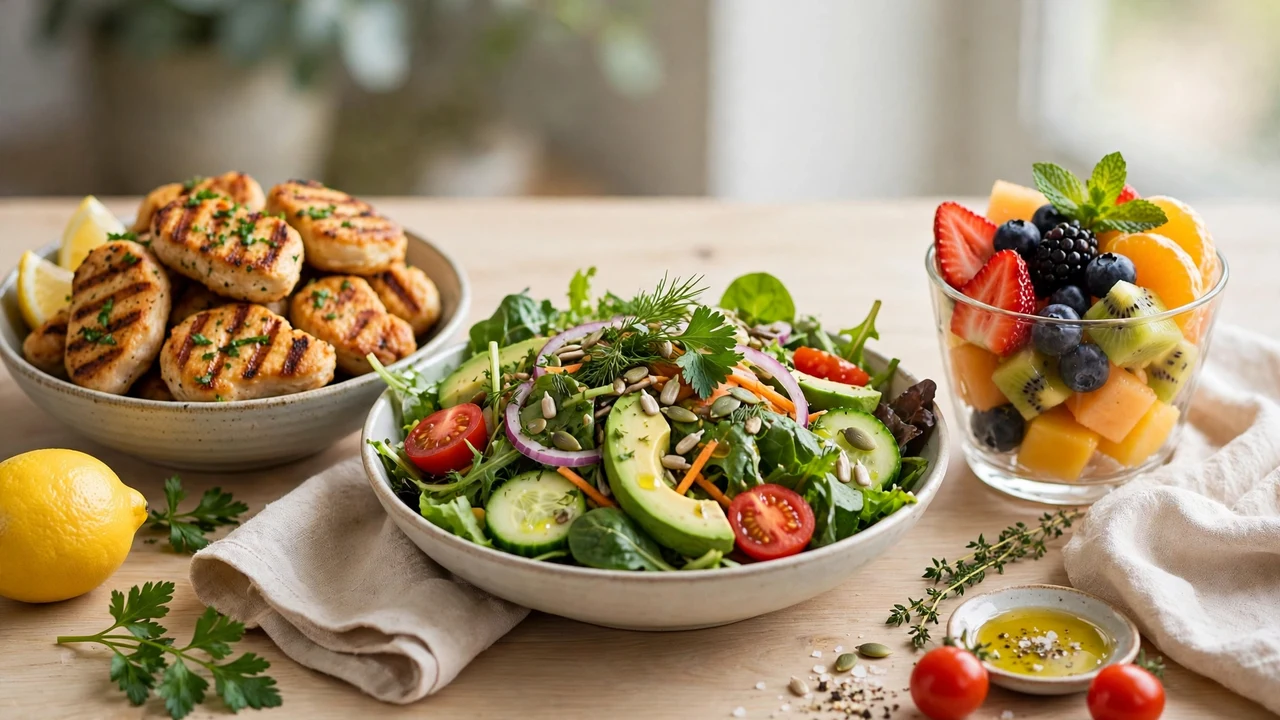
If you or someone in your family has a food allergy, the menu board alone is not enough — you need to know what is in each item, how it is cooked, and where cross-contact can happen. Chick-fil-A publishes a full allergen guide for exactly this reason, and this page walks through it: where to find the official guide, the peanut-oil question everyone asks, the major allergens on the menu, gluten-free and dairy-free options, and how to order safely. For the full menu, prices and the complete lineup, see the Chick-fil-A menu.
A quick note: allergen information can change when recipes or suppliers change, and it can vary by restaurant. This guide is a summary to help you ask the right questions — the official Chick-fil-A allergen guide and the team at your local restaurant are the authoritative sources before you order, especially for a severe allergy.
Where to Find the Official Chick-fil-A Allergen Menu
Chick-fil-A keeps its allergen information in a few places, and they are all worth knowing:
- Chick-fil-A’s Nutrition & Allergens page — each menu item page lists its ingredients and allergens.
- The official allergen guide (PDF) — a printable chart that breaks down which items contain which allergens, available from the same page.
- The Chick-fil-A app — ingredient and allergen details appear alongside menu items when you browse or order.
- In-restaurant — printed nutrition and allergen guides are typically available on request, and team members can walk through ingredients with you.
If you have a severe allergy, check the current official guide on the day you order rather than relying on a saved copy — recipes do change.
The Peanut Oil Question
The single most-asked allergen question at Chick-fil-A is about peanut oil, so here is the straight answer:
- Chick-fil-A pressure-cooks its breaded chicken in 100% refined peanut oil.
- According to the FDA, highly refined peanut oil is not considered a major food allergen, because the refining process removes the peanut proteins that trigger allergic reactions. That is why it is not listed as a peanut allergen in Chick-fil-A’s allergen chart.
- Chick-fil-A does not use cold-pressed or expeller-pressed peanut oil, which would retain more allergenic protein.
- Waffle Potato Fries are cooked in canola oil, not peanut oil, in separate fryers from the breaded chicken.
Even so, the company is clear that it cannot guarantee any food is completely free of allergens, because of shared cooking and preparation areas. If you have a peanut allergy, review the official allergen information and talk to your doctor — and tell the restaurant team about your allergy when you order.
The 9 Major Allergens at Chick-fil-A
Chick-fil-A’s allergen guide covers the nine major allergens recognised in the US: milk, egg, wheat, soy, sesame, peanut, tree nuts, fish, and shellfish. In practice, most of what you will run into on the menu comes down to five of them:
| Allergen | Where It Shows Up Most |
|---|---|
| Milk | Buns, cheese, Mac & Cheese, milkshakes, biscuits, dressings |
| Egg | Breading, biscuits, breakfast items, Mac & Cheese, some sauces and dressings |
| Wheat | Buns, breading, biscuits, Mac & Cheese, wraps |
| Soy | Breading, buns, dressings, Mac & Cheese |
| Sesame | Buns and the breading on the classic Chicken Sandwich |
Fish and shellfish are not part of most Chick-fil-A menu items, and tree nuts appear only in limited items — but always check the current guide for the specific item you want, because toppings, dressings, and limited-time items can change the picture.
Common Items: What They Contain
This is a summary of some of the most-ordered items, based on Chick-fil-A’s published allergen information. It is not a substitute for the official chart:
| Menu Item | Allergens Listed |
|---|---|
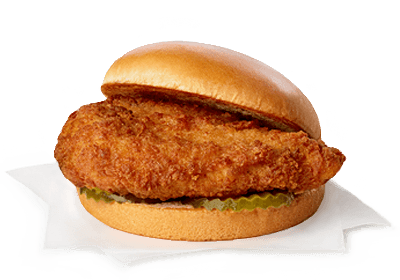
| Chick-fil-A Chicken Sandwich | Milk, egg, wheat, soy, sesame |
| Grilled Nuggets | No allergens listed |
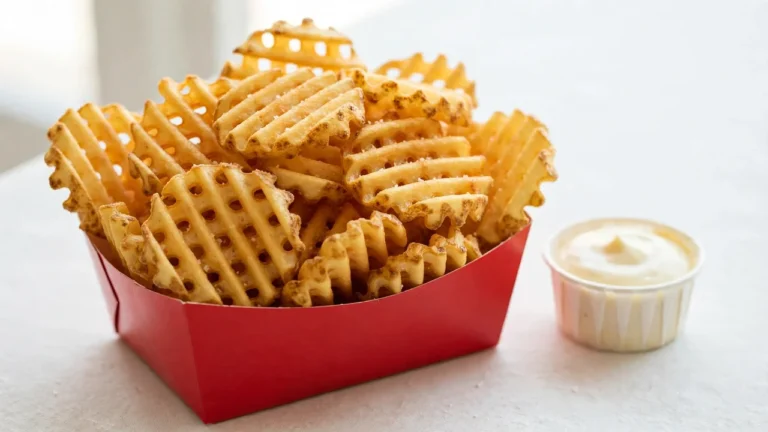
| Waffle Potato Fries | No allergens listed |
| Mac & Cheese | Milk, egg, soy, wheat |
| Gluten-Free Bun | No allergens listed |
| Chick-n-Minis | Milk, egg, wheat, soy, sesame |
The contrast is the point: the classic breaded sandwich carries five of the major allergens, while the Grilled Nuggets and the Gluten-Free Bun are listed with none. That is why grilled items are usually the starting point for people ordering around an allergy — but “no allergens listed” still does not mean “guaranteed allergen-free,” because of shared preparation areas.
Gluten-Free Options
Chick-fil-A is more gluten-free friendly than most fast-food chains, with a few clear choices:
- Grilled Nuggets — never breaded, and the safest starting point for a gluten-free order.
- Grilled Chicken Sandwich on a Gluten-Free Bun — the bun is available on request; the regular bun contains wheat.
- Waffle Potato Fries — no allergens listed, cooked in canola oil in separate fryers from the breaded chicken.
- Fruit Cup and Kale Crunch Side — simple sides with no gluten ingredients.
- Salads with grilled chicken — check the dressing, since dressings and toppings can add wheat or other allergens.
The honest limit: Chick-fil-A does not run a dedicated gluten-free kitchen. Its own guide states that shared cooking and preparation areas mean cross-contact is possible, so people with celiac disease or a high sensitivity should tell the team, ask about current prep practices, and weigh the risk for themselves.
Dairy-Free and Egg-Free Ordering
Dairy and egg are the hardest allergens to dodge at Chick-fil-A, because they appear in the breading, buns, biscuits, and cheese — but a workable order is possible:
- Grilled Nuggets are the easiest dairy-free and egg-free entrée, since the filet itself lists no allergens.
- Grilled Chicken Sandwich — order it without cheese and on the Gluten-Free Bun, and confirm the bun and toppings with the team.
- Waffle Potato Fries and Fruit Cup are useful sides, but confirm the current allergen listing before ordering.
- Skip the obvious traps: Mac & Cheese, milkshakes, biscuits, and most breakfast sandwiches all contain milk and egg.
When ordering, name the allergy out loud (“dairy allergy — no cheese, no buttered bun”) rather than just asking for an item without something. It is much harder for a detail to get lost that way.
Cross-Contact: What Chick-fil-A Itself Says
This is the part that matters most for severe allergies, so it is worth quoting in plain terms: Chick-fil-A states that due to the handcrafted nature of its food, variations in supplier ingredients, and the use of shared cooking and preparation areas, it cannot ensure that its food is free from any allergens. It follows procedures to prevent cross-contact, but milk, egg, soy, wheat, and sesame are all made in its kitchens.
What that means in practice:
- Tell the team before you order. A named allergy gets more care than a silent substitution.
- Ask for fresh gloves and a clean prep surface if your allergy is severe.
- Check the guide for the exact item, including sauces and dressings — these are where hidden allergens usually hide.
- For children with allergies, the same rules apply: Kids Meals use the same kitchen and the same ingredients, so check the nuggets, sides, and drink the same way you would an adult order.
- When in doubt, pick the simplest item. Fewer ingredients means fewer chances for a surprise.
How to Order Safely: A Quick Checklist
- Check the official allergen guide for your exact items before you go.
- Tell the cashier or the app note about the allergy by name.
- Ask about sauces, dressings, and toppings separately — they are often the hidden source.
- For gluten-free orders, request the Gluten-Free Bun and confirm the sandwich build.
- If the allergy is severe, ask what the restaurant can and cannot guarantee — and be ready to choose a different meal if the answer is not reassuring enough.
Final Words
Chick-fil-A’s allergen menu is genuinely useful — it is detailed, easy to find, and honest about its limits. The peanut oil is refined and not classed as a peanut allergen, grilled items and the Gluten-Free Bun give people real options, and the guide covers all nine major allergens. The trade-off is the shared kitchen: no item can be guaranteed allergen-free. Use the official guide, tell the team, and keep the order simple — that combination is the safest way to eat at Chick-fil-A with an allergy. For the full nutrition picture, see our Chick-fil-A nutrition guide.
Frequently Asked Questions
Does Chick-fil-A use peanut oil?
Yes. Chick-fil-A pressure-cooks its breaded chicken in 100% refined peanut oil. According to the FDA, highly refined peanut oil is not considered a major food allergen because refining removes the allergy-triggering proteins. People with peanut allergies should still review the official allergen information and consult a doctor.
Is Chick-fil-A gluten-free?
Partly. Grilled Nuggets, the Gluten-Free Bun, Waffle Potato Fries, Fruit Cup, and Kale Crunch Side contain no gluten ingredients, but Chick-fil-A cannot guarantee a gluten-free environment because of shared preparation areas. People with celiac disease should tell the team and ask about current prep practices.
Does Chick-fil-A have an official allergen menu?
Yes. Chick-fil-A publishes a Nutrition & Allergen Guide on its website and app, with a printable chart showing which items contain milk, egg, wheat, soy, sesame, peanut, tree nuts, fish, and shellfish. Printed copies are also usually available in restaurants.
Are Chick-fil-A Waffle Fries gluten-free?
Chick-fil-A lists no allergens for Waffle Potato Fries, and they are cooked in canola oil in separate fryers from the breaded chicken. But because the kitchen is shared, cross-contact cannot be fully ruled out.
What allergens are in a Chick-fil-A Chicken Sandwich?
The classic Chicken Sandwich lists milk, egg, wheat, soy, and sesame — from the breading and the bun. The grilled version on a Gluten-Free Bun is a very different order, so check the guide for the exact build you want.
Can I eat at Chick-fil-A with a dairy allergy?
It is possible but needs care. Grilled Nuggets are the simplest dairy-free entrée, and a Grilled Chicken Sandwich without cheese on a Gluten-Free Bun is another option. Milk appears in buns, biscuits, cheese, Mac & Cheese, and milkshakes, so name the allergy when ordering and check sauces and dressings too.